

The fresh vs. frozen seafood debate has been going on for decades, and many people still rely on information that isn’t entirely accurate. The truth is more nuanced than saying “fresh is always better,” and understanding the difference can help you make smarter choices for better meals.
At Ocean Lives, we understand the importance of quality seafood for individuals. Here’s an honest breakdown of fresh vs. frozen seafood, without the hype, just the facts you need to shop with confidence.
What’s the Real Difference Between Fresh vs Frozen?
Fresh seafood refers to fish and shellfish that have never been frozen. They are typically stored on ice and sold within a short period. It’s ideal for those who prefer cooking seafood soon after purchase.
Frozen seafood is rapidly frozen, often within hours of being caught, using modern techniques that help preserve its flavour, texture, and nutritional value. Freezing locks in freshness and gives customers greater flexibility when it comes to storage and meal planning.
Common Myths
Myth: Frozen seafood means lower quality — Modern flash-freezing methods preserve the texture and flavour of seafood amazingly well when the products are handled and stored correctly.
Myth: Fresh seafood is always healthier — Fresh seafood can retain its nutritional value when properly processed, stored, and handled.
Myth: Chefs only use fresh seafood — Many restaurants rely on frozen seafood to maintain consistent quality and availability, especially when certain ingredients are out of season.
Sustainability Matters
Sustainable sourcing is important whether seafood is sold fresh or frozen. What matters most is how the seafood is caught, processed, stored, and transported.
Frozen seafood can have a lower carbon footprint in some supply chains because it can be transported by sea and stored for longer periods, reducing spoilage and food waste.
Fresh fish in Dubai sourced responsibly from nearby waters can support local fishing communities and reduce the need for long-distance transportation. However, sustainability also depends on the species, fishing methods, and overall supply chain.
What to Look for When Shopping for Fresh Seafood
Here are some important characteristics to check when purchasing fresh seafood:
- Smell: Fresh seafood should have a mild, clean, ocean-like smell. Avoid products with a strong ammonia-like or unpleasant sour odour.
- Appearance: Fish should have a natural sheen and look moist rather than excessively dry.
- Colour: Avoid fish with unusual discolouration, dull patches, or signs of deterioration.
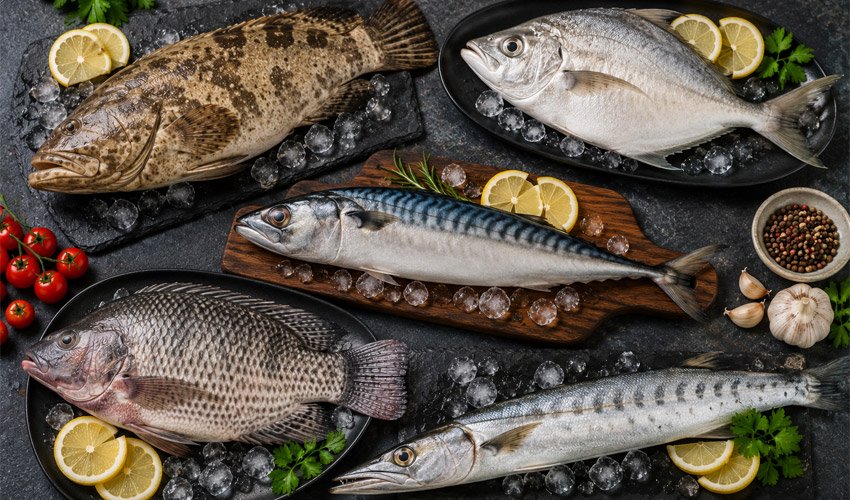
- Eyes and gills: Whole fish should generally have clear, full eyes and red or pink gills, depending on the species. Cloudy, sunken eyes may indicate declining freshness.
- Fillets and steaks: Check for darkening, brown or yellowish discolouration around the edges, particularly if the flesh also appears dry, slimy, or unusually soft.
- Storage: Once purchased, keep seafood cold and refrigerate it as soon as possible. If you won’t be using it within the recommended storage period, freeze it promptly.
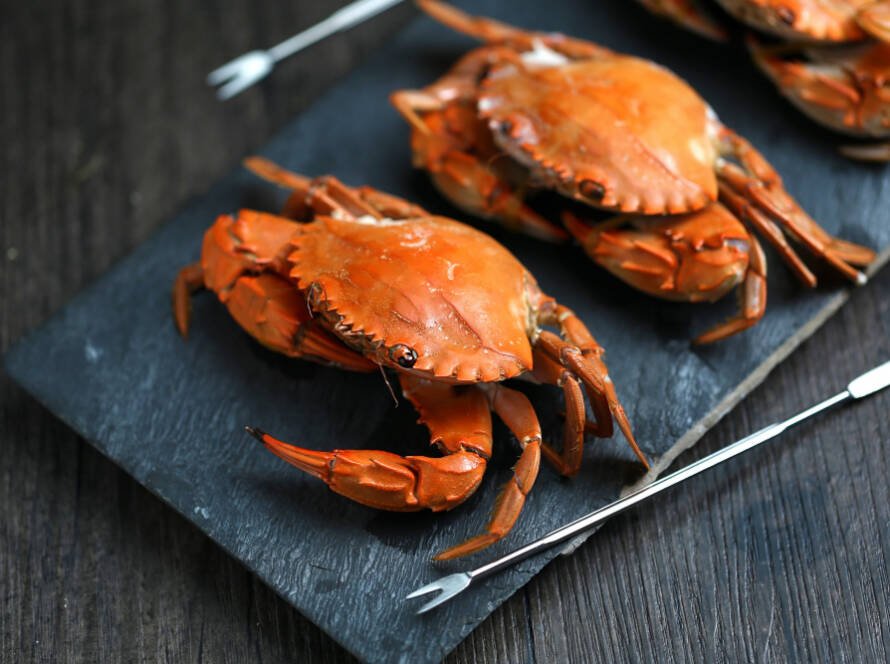
When shopping for Fresh Crabs in Dubai, it is equally important to consider proper storage, handling, and the supplier’s attention to product quality.
How Seafood Is Frozen
For many people, the term “frozen seafood” still carries a negative impression. This may come from older practices in which lower-quality fish was frozen, or seafood was frozen only after its quality had already started to decline.
However, improvements in rapid-freezing technology, commonly known as flash-freezing, have made it possible for seafood to retain much of its natural flavour, texture, and nutritional value.
Slow Freezing: This is the traditional method of freezing. Slow freezing, generally carried out at temperatures above those used in rapid industrial freezing, allows larger ice crystals to develop within the seafood. These crystals can damage the cells and cause moisture loss and negatively affect flavour and texture.
Flash-Freezing: This method is widely regarded as an effective way to preserve seafood quality. It has made frozen seafood a convenient alternative to fresh products by lowering the temperature rapidly and limiting the formation of large ice crystals. This helps protect the structure of the flesh and reduces the risk of a mushy texture after thawing.
When seafood is frozen quickly at suitably low temperatures and maintained under the correct storage conditions, much of its flavour and texture can be preserved. These qualities remain protected until you’re ready to thaw and prepare the seafood safely.
Shop High-Quality Seafood at Ocean Lives
Both fresh and frozen seafood have their advantages. So instead of making them competing options, you should focus on understanding how to fit them into a balanced lifestyle.
You can shop for fresh shrimps in Dubai along with other fresh and frozen seafood options from Ocean Lives. Here we provide a variety of seafood options to suit individual needs. We know the importance of responsible sourcing and aim to provide high-quality seafood.