

Snappers and Groupers are among the UAE’s most popular edible fish. These species are commonly available at seafood markets and featured on restaurant menus across the nation. But which fish comes out on top? This article compares Snapper and Grouper based on appearance, size, flavor, and other characteristics to help determine the better choice.
What Is the Difference Between Snapper vs. Grouper
Grouper and Snapper belong to large fish families that include many unique and fascinating species. However, there are several differences between Snapper and Grouper.
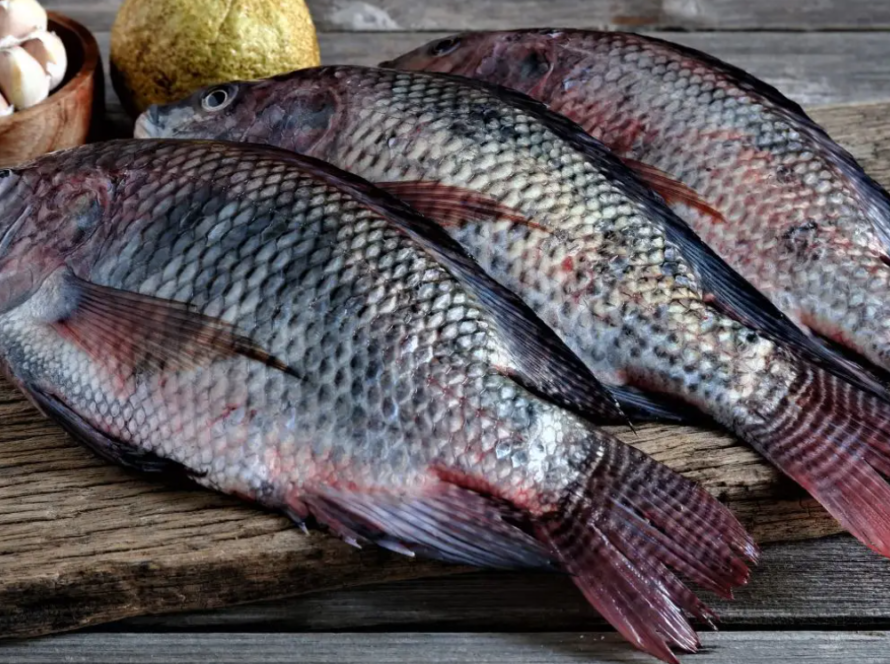
Snappers usually have a more tapered head compared to Groupers. Their jaws are designed for quickly grabbing prey that swims nearby. In contrast, Groupers have large, broad mouths that allow them to swallow smaller fish whole. They are typically stockier and heavier in appearance than Snappers. Many anglers consider Groupers the powerful predators of coral reefs. On the other hand, most Snapper species have a leaner body shape and a more streamlined appearance.
However, these traits do not apply in every situation. An adult Red Snapper can appear much bulkier than a juvenile Gag Grouper. Likewise, Cubera Snapper has large, wide jaws similar to those of Groupers.
1. Snapper
Snapper is known for its excellent quality and is commonly regarded as a preferred option for selective seafood consumers. It delivers a balanced profile with a mild taste and a range of culinary uses.
Flavour Profile
Snapper has a lightly sweet and distinctive taste. Its flavor is subtle and balanced, which allows it to pair well with a variety of herbs, spices, and seasonings without losing its natural character. The flesh is moderately firm, tender, and juicy with fine and delicate flakes.
These qualities make Snapper a popular choice in upscale dining establishments, where ingredient quality plays a vital role. After cooking, the raw pink-colored flesh changes into an attractive off-white shade.
Cooking Performance
The texture and structure of Snapper allow it to perform well in several cooking techniques, such as roasting, baking, and steaming. Nevertheless, its tender flesh requires careful handling to avoid breaking apart.
Another important factor to consider is the presence of pin bones. Removing these bones manually can be labor-intensive and may affect both processing time and fillet quality. Choosing professionally processed, pin-boned fresh fillets maintains product consistency and improves operational efficiency in commercial kitchens.
Nutritional Value
Snapper is considered a lean source of protein. A 100 g serving of raw Snapper provides roughly 20.5 g of protein while containing only 1.3 to 1.6 g of fat. It also supplies beneficial nutrients, including Vitamin B12 and selenium.
2. Grouper
Grouper is a reliable staple within the premium white fish segment. Its strong reputation comes from its consistency, resilience, and adaptable nature. It is highly valuable in busy commercial kitchens.
Flavour Profile
Grouper has a mild and clean taste that is often compared to a blend of bass and halibut. This delicate flavor is one of its greatest advantages, as it pairs exceptionally well with rich sauces, aromatic herbs, and bold seasonings.
Its most notable characteristic is its texture. The flesh is remarkably firm and produces large, meaty flakes that remain intact during and after cooking. Additionally, its moisture makes it a juicy meal.
Cooking Performance
One of Grouper’s greatest advantages in commercial food service is its forgiving nature. Even when slightly overcooked, the fish generally remains tender and moist. It is a dependable option for high-volume operations such as catering services and large-scale restaurants.
This durability helps minimize food waste and delivers a consistent dining experience despite small variations in cooking time. Its dense texture makes it suitable for cooking techniques such as grilling, blackening, and deep-frying. It also maintains its structure exceptionally well in soups, chowders, and stews.
Nutritional Value
Grouper is another lean seafood option. A 100 g raw portion typically contains approximately 16–19 g of protein and about 1 g of fat. It also provides important nutrients, including potassium and Vitamin B12.
Which One Is Better to Eat?
Now the main question is: which fish is better to eat? For many seafood lovers, this is the deciding factor. Both Snapper and Grouper are highly valuable and delicious fish, but determining the superior choice depends on several factors.
First, it is impossible to ignore Red Snapper. Every summer, thousands of anglers travel to the Gulf hoping to catch one. Its popularity is so significant that the Gulf Red Snapper fishing season is among the most strictly regulated fisheries in the world.
Snapper vs. Grouper: Final Thoughts
Both fish families have plenty to offer. Groupers grow larger, while Snappers have a more attractive appearance. Groupers may have a slightly better flavor, but they are generally harder to catch. It is difficult to declare one better than the other.
For seafood lovers looking for fresh Hamour in UAE, this grouper species is a highly popular choice among Emiratis. Both Snapper and Grouper remain popular options for seafood lovers seeking a delicious, nutritious meal.