

Whether you’ve been cooking crab at home for years or trying it for the first time, it’s easy to make a few common mistakes. Some mistakes can affect the crab’s flavour and texture, while others may raise food safety concerns. Even the cooking process has its challenges, but knowing what to avoid can make all the difference. Once you know the mistakes, you’ll be able to prepare crab dishes with much better results every time.
Not Choosing The Best Quality Crab
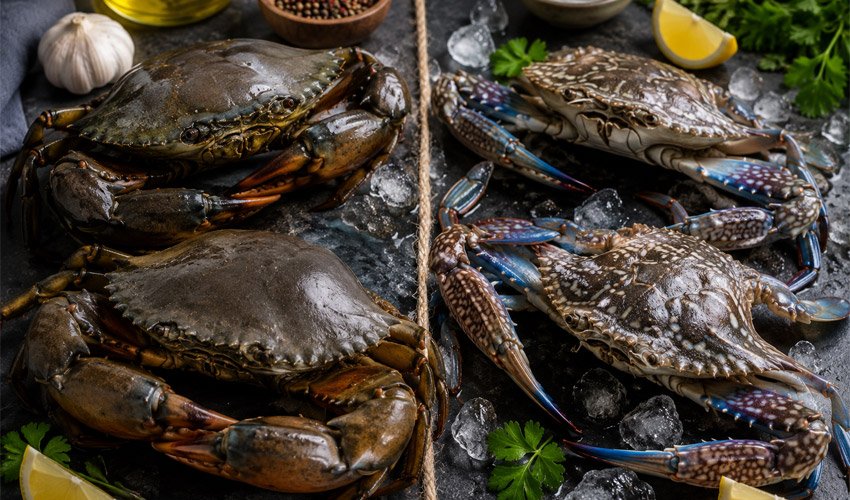
It is always the best option to opt for live crab. It’s going to be the freshest choice. If you can’t find a live crab, the second option is to opt for fresh or frozen crab legs. Make sure there isn’t any darkening or discoloration on the crab. The crab should not smell overly fishy or sour.
Not Knowing The Difference Between Types Of Crab
Not all crabs are the same. Each variety differs in size, texture, sweetness, and the amount of meat it offers. Popular edible species include Blue, Snow, King, Dungeness, and Mud crab, each suited to different recipes and cooking styles.
Not Checking for Freshness
Always inspect crab carefully before purchasing. Fresh crab should be properly chilled, have a mild, ocean-like smell, have firm white meat with a slight pink tint, and have no slimy texture. A strong fishy odor or discoloration are signs that the crab may no longer be fresh. If you’re buying live crab, make sure it’s active and responsive.
Ignoring Food Safety
Keep live crabs cool in a well-ventilated container and avoid placing them directly on ice. Frozen crab should be thawed only once and cooked soon after, while fresh crab meat is best consumed within 3–5 days when refrigerated.
Always wash your hands after handling raw crab and thoroughly clean any utensils or surfaces it has touched to reduce the risk of contamination.
Not Thawing Crab Before Cooking
Frozen crab is an excellent choice because it’s typically frozen at peak freshness. However, thawing it the wrong way can affect both its quality and safety. For the best results, thaw frozen crab overnight in the refrigerator. If it’s vacuum-sealed, remove the original packaging and place the crab in a clean, sealed bag before refrigerating.
Skipping the Marination
While crab tastes delicious on its own, a simple marinade can enhance its natural sweetness and add extra flavor. Adding herbs and citrus, such as parsley, dill, cilantro, lemon, or lime, can further elevate the flavor without overpowering the crab’s delicate taste.
Not Steaming Crab
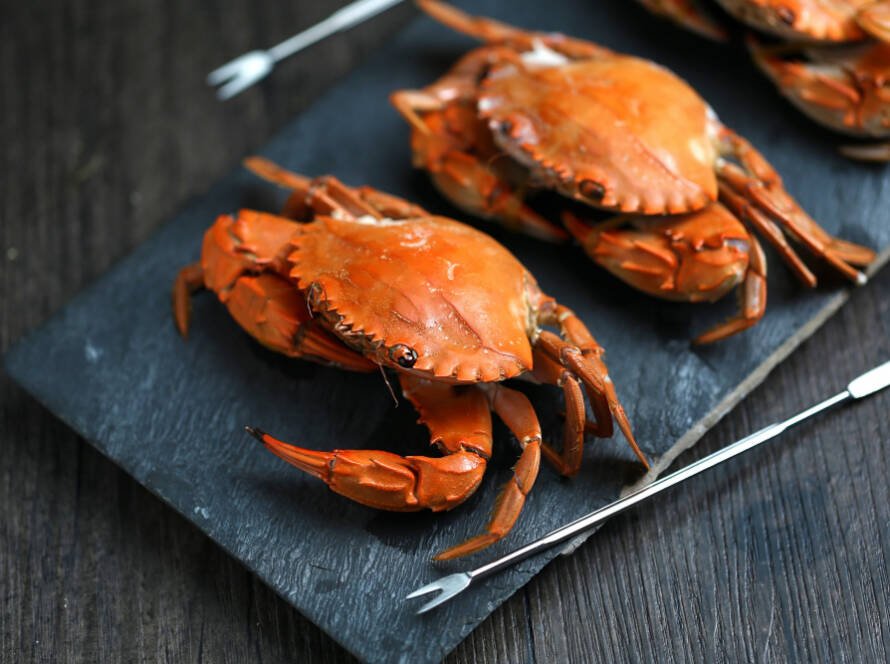
Steaming is one of the best ways to cook fresh or frozen crab, as it keeps the meat tender, juicy, and full of flavor. Instead of boiling crab directly in water, place it in a steamer basket over boiling water for even cooking and better texture.
Only Cooking Hard-Shell Crabs
While hard-shell crabs are the most common choice, soft-shell crabs are also a delicious option. Before cooking, soft-shell crabs should be cleaned by removing the gills, abdomen, and other inedible parts. They are most commonly deep-fried, creating a crispy exterior while keeping the meat tender and flavorful.
Cooking Crab In The Oven
Baking or roasting crab isn’t the best cooking method, as the dry heat can overcook the meat and leave it dry or rubbery. If you still choose to cook crab in the oven, brush it with butter and cover it with foil to help retain moisture.
Overcooking Or Undercooking
Cooking crab for too long can make the meat dry and rubbery, while undercooking may affect both its texture and food safety. Steaming is one of the best methods, as it helps cook the crab evenly while keeping it moist and tender.
Over-Seasoning The Crab
Crab has a naturally sweet, delicate flavour, so it’s best not to add heavy seasoning. Too much citrus or an overly long marinade can affect the texture of the meat. Instead, keep the seasoning light or add herbs, spices, and citrus to your dipping sauce for extra flavour.
Not Using the Right Tools For Cleaning
Using the proper tools makes cleaning and eating crab much easier. Crab crackers, kitchen shears, seafood picks, or a small knife can help you crack the shell and remove the meat without making a mess. If you don’t have specialty tools, a sturdy pair of kitchen scissors is a practical alternative.
Conclusion
Avoiding these common mistakes can make a big difference in the flavour, texture, and overall quality of your crab dishes.
If you’re looking for fresh crabs, Ocean Lives offers fresh mud crab in Dubai along with a variety of other crab species. We source seafood with care to deliver exceptional freshness and taste.