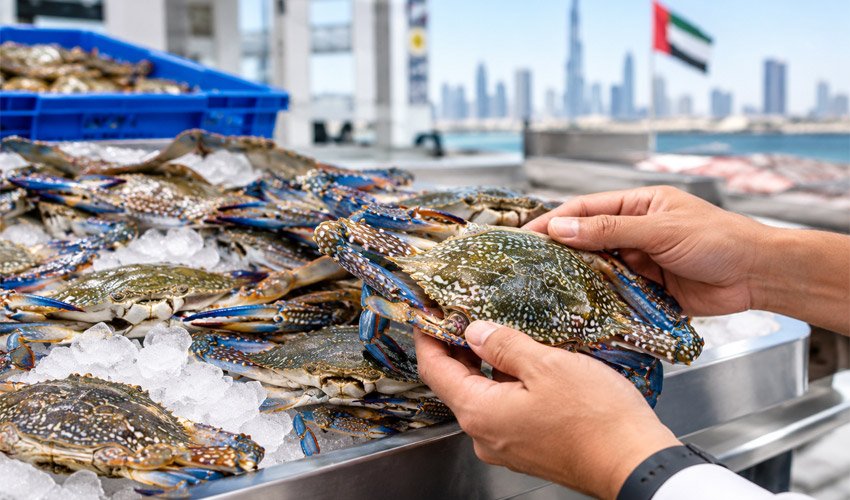


Seafood lovers often focus on seasoning and cooking methods, but proper preparation begins much earlier. Cleaning crabs correctly is one of the most important steps for food safety, flavour, and reducing avoidable contamination risks. While cleaning alone cannot prevent genuine shellfish allergies, careful handling and proper hygiene can help reduce the risks of bacterial contamination and improper preparation. At Ocean Lives, every step, from sourcing to delivery, follows strict standards to ensure customers receive fresh and carefully handled seafood.
Cook Fresh, Lively Crabs
Live crabs can be transported surprisingly well when handled correctly and kept chilled on ice. However, choosing fresh seafood from a trusted supplier makes a difference to the overall experience. Whether you’re preparing fresh King Crab in Dubai for a special meal or selecting locally available varieties, proper handling and cooking are essential for preserving the natural flavour and texture of the meat.
Preparing the Crabs
Crabs kept on ice or in the refrigerator may become less active, but they should generally show some leg movement when handled. If you’re selecting live crabs from a tank or cooler, look for active specimens with signs of movement and avoid those that appear lifeless or have an unpleasant smell.
It’s best to cook the crabs before cleaning them. Boiling is a common method, but steaming can help prevent the meat from becoming overly waterlogged and allow it to retain more of its natural juices.
Boiling: Bring a pot of water to a boil. Add enough salt to give the water a taste similar to seawater. Add the crabs and cook until the meat is thoroughly done, generally around 10 to 15 minutes, depending on their size and variety.
Steaming: Add about an inch of salted water to the bottom of a large pot and bring it to a boil. Place a steamer basket inside and arrange the crabs in the basket. Cover and steam until fully cooked. Smaller blue crabs may take around 10 minutes, while larger varieties can require 15 to 20 minutes or longer.
Remove the crabs from the pot and allow them to cool until they’re comfortable to handle. You can briefly rinse them under cool running water to speed up the cooling process.
Remove the Apron
The apron is a triangular section of shell located underneath the crab. On male crabs, it is generally smaller, narrower, and more pointed, while on females, it is usually wider and more rounded. To remove it, grip the pointed end near the front of the crab and pull it away from the body.
This step makes it easier to separate the top shell and access the meat inside. Whether you’re cleaning fresh Mud Crab in Dubai or preparing another crab variety, removing the apron is an important part of the process.
Remove the Carapace
After removing the apron, you’ll notice a small opening between the crab’s body and its upper shell, also known as the carapace, near the back. Hold the body firmly with one hand and lift the top shell by gripping it near the opening.
A liquid known as crab butter may come out during this process. It consists of fatty material and other contents found inside the crab, and some people use it to add flavour to soups, sauces, or dipping preparations. If you plan to retain it for culinary use, collect it carefully in a clean container and handle it safely.
Remove the Gills and Mandibles
Once the upper shell has been removed, you’ll be able to see the inside of the crab. Along the sides of the body, you’ll find two rows of soft, feathery gills. These are not intended for eating, so pull them away carefully and discard them.
Next, remove the mandibles located at the front of the crab. These small, hard mouthparts can be snapped off and discarded to make the crab easier to clean and prepare for serving.
Take your time during this step to ensure that the unwanted parts are completely removed before moving on to the final rinse.
Rinse the Crab Thoroughly
The remaining unwanted material inside the crab includes the internal organs and other soft tissues that you may not wish to eat. Rinse the crab briefly under cool running water to remove loose debris and any remaining unwanted material. Avoid prolonged rinsing, as it can wash away some of the crab’s natural flavour.
Make the Most of Your Fresh Crab With Ocean Lives
Once cleaned, your crab is ready for serving or further preparation. After cleaning one or two crabs, the process usually becomes much quicker and easier.
If you’re serving whole crabs at a gathering, you can offer homemade aioli or other dipping sauces alongside the meat. If you’re preparing small varieties like fresh Blue Crab in Dubai, you can incorporate the meat into salads, sandwiches, or light seafood appetisers.
For those looking for quality crab and other seafood in the UAE, Ocean Lives offers a convenient way to explore seafood options for home cooking and special occasions.