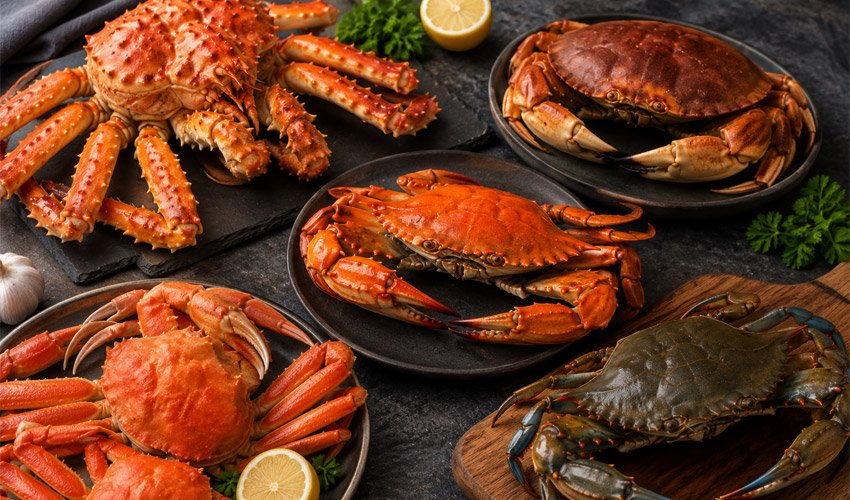


There are over 4,500 species of crab around the globe, but only a few premium varieties make it to our plates. In the UAE seafood market, the two most sought-after varieties are Blue Crabs and Mud Crabs.
But what makes these crabs so popular, and which one should you choose for your next dinner?
Whether you are looking to buy fresh seafood delivery in Dubai or cooking a premium feast at home, here is everything you need to know about the difference between Mud Crabs and Blue Crabs.
What Is a Mud Crab?
Mud crabs (scientifically known as Scylla serrata or mangrove crab) are large, premium crustacean species commonly found across Southeast Asia, Australia, and deep mangrove estuaries. They are highly prized in the UAE for their massive size, hard shells, and incredibly generous meat yield.
Key Characteristics:
- Impressive Size: They are substantially large and can weigh anywhere from 500g up to 4 kg.
- High Meat Yield: Packed with firm, juicy meat, particularly within their massive, powerful claws.
- Flavour Profile: A rich, naturally sweet flavor with a deeply satisfying, meaty texture.
- Premium Value: Highly regarded as a luxury seafood choice due to their high market value and impressive presentation.
What Is a Blue Crab?
Blue crabs (Callinectes sapidus) are smaller, highly active crabs recognized by their vibrant blue-tinted claws. While famously harvested along the US Atlantic coast, they are also abundantly available fresh in the coastal waters of the Arabian Gulf and the UAE.
Key Characteristics:
- Compact Size: Much smaller than mud crabs, measuring 10–18 cm in length and weighing up to 400g–900g maximum.
- Flavour Profile: Light, tender, and delicate texture with a gentle, subtle sweetness.
- Budget-Friendly: Generally more affordable and accessible for everyday meals.
- Preparation Effort: Because of their smaller size, they require a bit more patience and effort to extract the meat.
Blue Crab vs Mud Crab: The Taste Profile & Cooking Style
Your choice of crab will completely change the outcome of your recipe.
Mud Crab: Bold & Meaty
Mud crab meat is thick, dense, and holds its structure beautifully. Because the meat doesn’t easily break down, it is the absolute best choice for rich, heavy, and spicy sauces. A single mud crab claw can feel like an entire meal.
- Best Cooking Styles: Singapore Chilli Crab, Crab Masala, Thai-style Pepper Crab, or baked with heavy garlic butter.
Blue Crab: Delicate & Sweet
Blue crab features a flaky, soft texture that absorbs subtle flavors without overpowering them. It is ideal for dishes where you want the delicate taste of the sea to shine through.
- Best Cooking Styles: Steamed with light seasoning, seafood broths, traditional crab soups, and homemade crab cakes.
Size, Weight, and Value Comparison
When sourcing live seafood online in the UAE, understanding the size difference ensures you buy the right quantity:
| Feature | Live Mud Crab | Live Blue Crab |
|---|---|---|
| Average Weight | 500g to 4kg+ per crab | 150g to 450g per crab |
| Meat Texture | Dense, chunky, and firm | Flaky, delicate, and soft |
| Best For | Luxury centerpieces, spicy stir-fries | Soups, broths, light steaming |
| Price Point | Premium / High Value | Affordable / Everyday Value |
Nutritional Value: Which is Healthier?
Both options are fantastic, low-fat sources of high-quality lean protein, but their nutritional profiles vary slightly per 100g serving:
- Mud Crab Nutrition: Offers a more nutrient-dense profile. It is exceptionally high in protein to support muscle growth and packed with essential minerals like zinc and selenium to boost immunity.
- Blue Crab Nutrition: Marginally lower in calories and fats. It is an excellent choice for those focused on weight management or tracking a low-calorie, high-protein diet.
Conclusion: Which Crab Should You Buy in the UAE?
If you want an indulgent, meaty dining experience where budget is not a constraint, **buying live Mud Crabs** is the clear winner. Their massive claws and sweet, chunkier meat make them a true showstopper.
However, if you are preparing a comforting weekend seafood soup or looking for an affordable weekday meal, fresh Blue Crabs in the UAE offer spectacular value and a clean, delicate taste.
🦀 **Craving the freshest catch?** Explore our premium selection of responsibly sourced Live Mud Crabs and Fresh Blue Crabs at Ocean Lives. Enjoy temperature-controlled, next-day delivery straight to your doorstep anywhere in Dubai and the UAE!